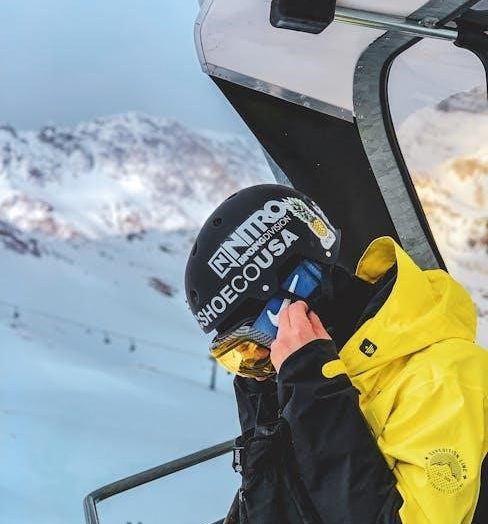
Navigating the world of ski goggles requires understanding lens colours and their impact on visibility. VLT, tint, and conditions
are key factors for optimal performance on the slopes, enhancing both safety and enjoyment.
Ski goggle lens colour is a crucial element often overlooked, yet profoundly impacts your experience on the mountain. The right tint isn’t about style; it’s about optimizing vision based on prevailing light and weather conditions. Understanding Visible Light Transmission (VLT) is paramount, as it dictates how much light reaches your eyes. Different colours filter light uniquely, enhancing contrast, depth perception, and overall clarity.
Choosing the correct lens colour can mean the difference between a fantastic day of skiing and a frustrating, visibility-compromised one. Whether you’re facing bright sunshine, overcast skies, or falling snow, a specifically tinted lens will dramatically improve your ability to navigate the terrain safely and enjoyably.
Understanding Visible Light Transmission (VLT)
Visible Light Transmission (VLT) is the percentage of visible light that passes through a goggle lens. It’s the primary metric for determining a lens’s suitability for different conditions. Expressed as a percentage, VLT ranges from 0% to 100%, with lower percentages indicating darker lenses suitable for bright sunlight, and higher percentages signifying lighter lenses for low-light conditions.
Factors influencing VLT include lens colour, thickness, and any applied coatings. A lower VLT reduces eye strain in bright conditions, while a higher VLT enhances visibility when light is limited. Utilizing VLT as a guide ensures optimal vision and comfort on the slopes, regardless of the weather.
VLT and Skiing Conditions
Matching VLT to skiing conditions is crucial for performance and safety. Bright, sunny days (Category 3) demand lenses with a VLT between 8-18%, minimizing glare and eye strain. Overcast or cloudy days (Category 1) require higher VLT (60-90%) to maximize visibility in reduced light. Variable conditions benefit from lenses in the 35-55% range (Category 2), offering versatility.
Understanding these categories allows skiers to choose lenses that optimize vision. Goggles with multiple lenses provide adaptability, ensuring clear sight regardless of changing weather patterns throughout the day on the mountain.
Blue/Cobalt Lenses
Blue or cobalt lenses are excellent for bright, sunny conditions, offering heightened contrast and reducing eye fatigue. With a lower VLT, typically ranging from 6-18%, they minimize glare reflecting off snow and ice. These lenses are particularly effective in alpine environments with intense sunlight.
They provide a crisp, clear view, enhancing depth perception. However, blue lenses aren’t ideal for low-light situations as they can limit visibility when the sun is obscured or during stormy weather.
VLT Range for Blue Lenses
The Visible Light Transmission (VLT) range for blue lenses generally falls between 6% and 18%. This relatively low VLT signifies that these lenses transmit a limited amount of light to the eyes, making them best suited for exceptionally bright and sunny conditions. A VLT of 6% indicates very little light transmission, ideal for intense glare.
Higher values within the range, approaching 18%, are suitable for slightly less intense sunlight. Choosing a specific VLT within this range depends on individual sensitivity and the typical brightness of the skiing environment.
Best Conditions for Blue Lenses
Blue lenses excel in bright, sunny conditions with minimal cloud cover, particularly at higher altitudes where UV radiation is intense. They are exceptionally effective at reducing glare from snow and ice, providing enhanced visual clarity and comfort. These lenses are a superb choice for skiing on clear days, minimizing eye strain and maximizing visibility.
However, blue lenses are not ideal for overcast or low-light conditions, as they can significantly reduce visibility. They are often favored by skiers in Alaska due to the intense sunlight.
Grey Lenses
Grey lenses are renowned for their ability to provide true colour perception, making them a versatile option for a wide range of skiing conditions. They reduce overall brightness without distorting colours, offering a natural viewing experience. This makes them suitable for both sunny and partly cloudy days, providing consistent clarity.
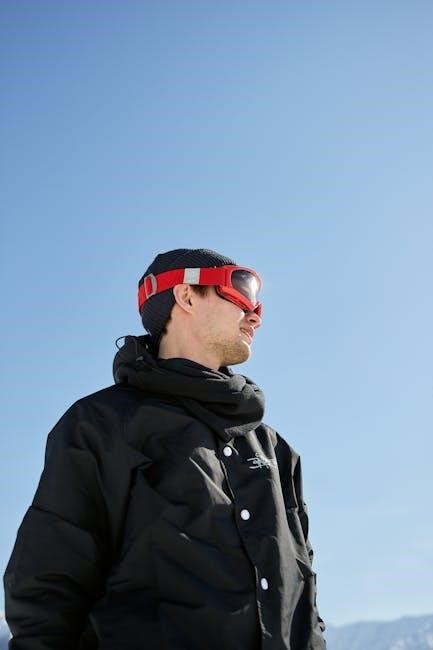
Grey lenses minimize eye strain by reducing glare and offering a balanced level of light reduction. They are a popular choice for skiers who prioritize accurate colour representation on the slopes.
VLT Range for Grey Lenses
Generally, grey lenses exhibit a Visible Light Transmission (VLT) range of 8% to 18%. This places them firmly in the category of lenses best suited for bright, sunny conditions. However, the specific VLT within this range can vary depending on the lens manufacturer and any additional coatings applied.
A lower VLT within the range (around 8-12%) is ideal for very bright, high-glare days, while a higher VLT (14-18%) offers more versatility for partly cloudy conditions. Understanding this range helps skiers choose the appropriate level of protection.
Benefits of Grey Lenses
Grey lenses are renowned for their ability to provide true colour perception, meaning colours appear as they naturally are, without distortion. This is a significant advantage for judging terrain features and snow conditions accurately. They excel at reducing overall brightness and glare, offering excellent eye protection on intensely sunny days.
Furthermore, grey lenses minimize eye strain, allowing for comfortable vision throughout long days on the slopes. They are a versatile choice, particularly beneficial for skiers who prioritize accurate visual clarity and reduced fatigue.
Rose/Pink Lenses
Rose and pink lenses are celebrated for their exceptional contrast enhancement, particularly in variable or partly cloudy conditions. They excel at highlighting subtle changes in terrain, making it easier to navigate bumps, moguls, and icy patches. This improved contrast is achieved by filtering blue light, which can wash out details.
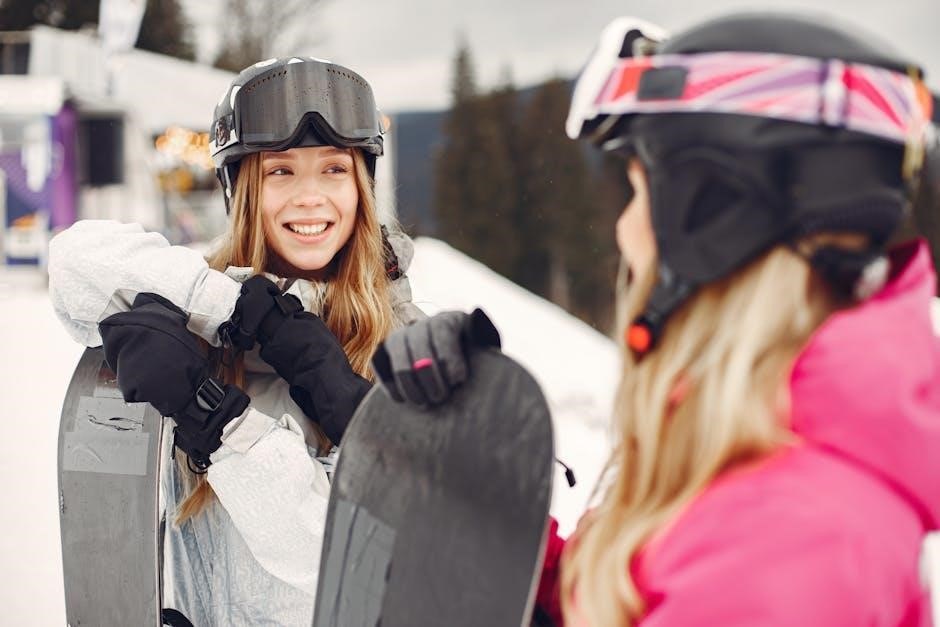
Intermediate to advanced skiers often favour these tints for their ability to create a softer visual environment while maintaining sharp detail, offering a comfortable and informative skiing experience.
VLT Range for Rose/Pink Lenses
Rose and pink lenses typically fall within a Visible Light Transmission (VLT) range of 35% to 55%. This versatile range makes them suitable for a broad spectrum of conditions, from overcast days to moderately sunny skies. A VLT of around 40-50% is considered ideal for all-around performance.
Lower VLT percentages within this range are better for brighter conditions, while higher percentages enhance visibility in lower light. This flexibility contributes to their popularity among skiers seeking adaptable lenses.
Contrast Enhancement with Rose Lenses
Rose-tinted lenses excel at enhancing contrast, particularly in variable light conditions. They effectively highlight snow contours and terrain features, providing skiers with a clearer perception of the slope’s texture. This is especially beneficial on partly cloudy days where light shifts frequently.
Intermediate to advanced skiers often favour rose lenses for this reason, appreciating the softer visual environment while maintaining sharp detail. The improved contrast aids in navigating challenging terrain and spotting potential hazards, boosting confidence and control.
Yellow/Amber Lenses
Yellow and amber lenses are specifically designed for low-light conditions, such as overcast days or during snowfall. These lenses work by increasing contrast and enhancing depth perception when visibility is reduced. They filter out blue light, which can cause eye strain in flat light, resulting in a brighter, clearer view.
Skiers will find these lenses particularly useful for navigating through trees or in foggy conditions. While not ideal for bright, sunny days, they significantly improve visibility when the light is limited, ensuring a safer and more enjoyable experience.
VLT Range for Yellow/Amber Lenses
Yellow and amber lenses typically fall within a Visible Light Transmission (VLT) range of 60% to 85%. This high VLT percentage indicates that a significant amount of light passes through the lens, making them suitable for conditions where maximum visibility is crucial.
Lenses at the lower end of this range (around 60-70%) offer a bit more protection on slightly brighter, overcast days, while those closer to 85% are best reserved for very low-light scenarios like heavily clouded days or dusk skiing.
Low-Light Visibility with Yellow Lenses
Yellow lenses excel in boosting contrast and enhancing depth perception during low-light conditions. They filter out blue light, which can cause eye strain and reduce clarity in flat light. This filtering effect makes snow features and terrain changes more discernible, improving safety and performance.
These lenses are particularly beneficial when skiing or snowboarding on cloudy days, in fog, or during snowfall. They essentially brighten the visual field, allowing skiers to navigate challenging conditions with greater confidence and reduced eye fatigue.
Orange Lenses
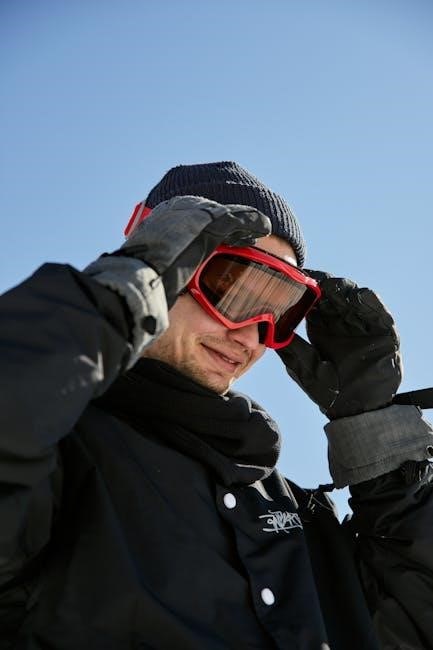
Orange lenses represent a versatile option, bridging the gap between bright and low-light conditions. They offer enhanced contrast and depth perception, similar to yellow lenses, but with a slightly higher level of tint for brighter days. This makes them suitable for partly cloudy conditions or variable light.
Orange tints effectively filter blue light, reducing glare and eye strain, while still providing sufficient brightness for clear visibility. They are a popular choice for all-mountain skiers who encounter a range of weather conditions throughout the day.
VLT Range for Orange Lenses
Orange lenses typically fall within a Visible Light Transmission (VLT) range of 35% to 65%. This broad spectrum contributes to their adaptability across diverse conditions. Lower end percentages, around 35-45%, are ideal for moderately bright, partly cloudy days, offering glare reduction without sacrificing visibility.
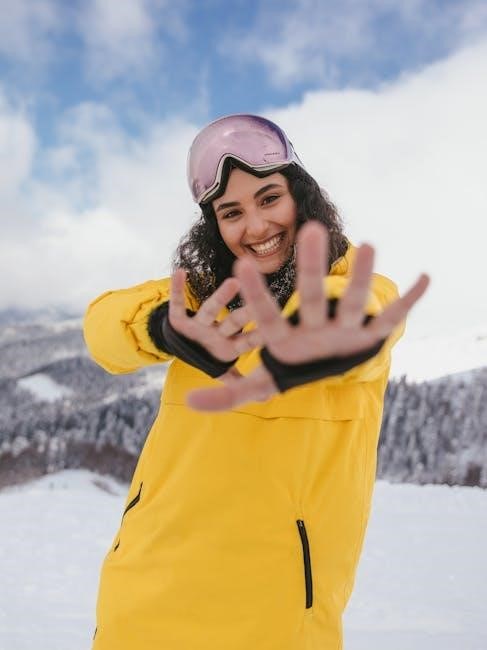
Higher VLT percentages, closer to 60-65%, perform well in overcast conditions or during snowfall, enhancing contrast and depth perception. This range provides sufficient light transmission for clear vision even when light is limited, making orange lenses a versatile choice.
Conditions Suitable for Orange Lenses
Orange lenses excel in variable light conditions, making them a superb all-around choice for skiers and snowboarders. They are particularly effective on cloudy or overcast days, boosting contrast and allowing riders to discern terrain features more easily.
These lenses also perform admirably during light snowfall, enhancing depth perception without compromising visibility. They’re a solid option for partly sunny days, offering glare reduction while maintaining brightness. Orange lenses are a versatile pick, suitable for a wide range of mountain environments.
Green Lenses
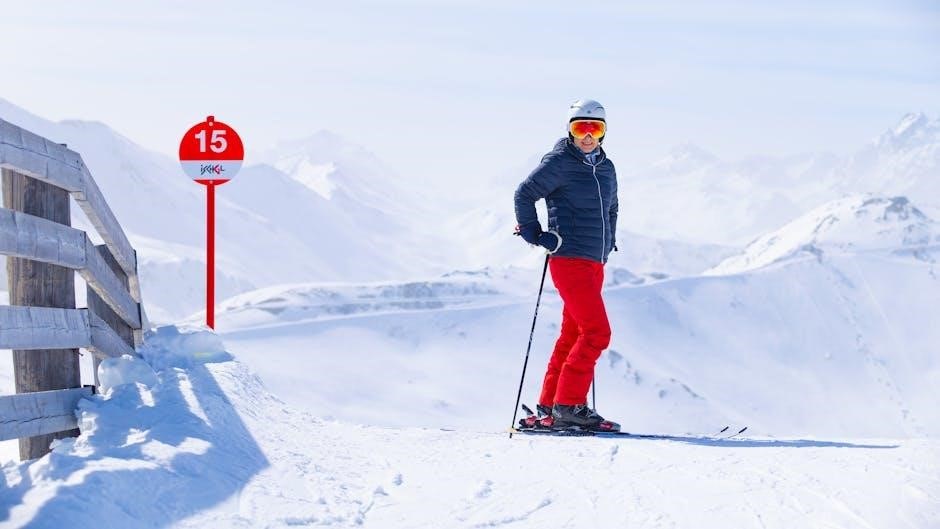
Green lenses are renowned for their versatility, offering a balanced visual experience across diverse conditions. They provide excellent contrast and depth perception, making them suitable for both sunny and overcast days.
These lenses reduce glare effectively while maintaining colour balance, offering a natural viewing experience. Green tints are a good all-rounder, performing well in variable light. They are a popular choice for skiers who prefer a comfortable and adaptable lens that doesn’t drastically alter their perception of the mountain.
VLT Range for Green Lenses
Green lenses typically fall within a Visible Light Transmission (VLT) range of 20% to 40%. This moderate VLT makes them adaptable to a wide spectrum of weather conditions. A VLT of around 20-25% is ideal for brighter, sunny days, reducing eye strain without compromising visibility.
Higher VLT percentages, closer to 35-40%, are better suited for partly cloudy or overcast conditions, enhancing contrast and depth perception when light levels are lower. This range provides a balanced experience for varied terrain.
Versatility of Green Lenses
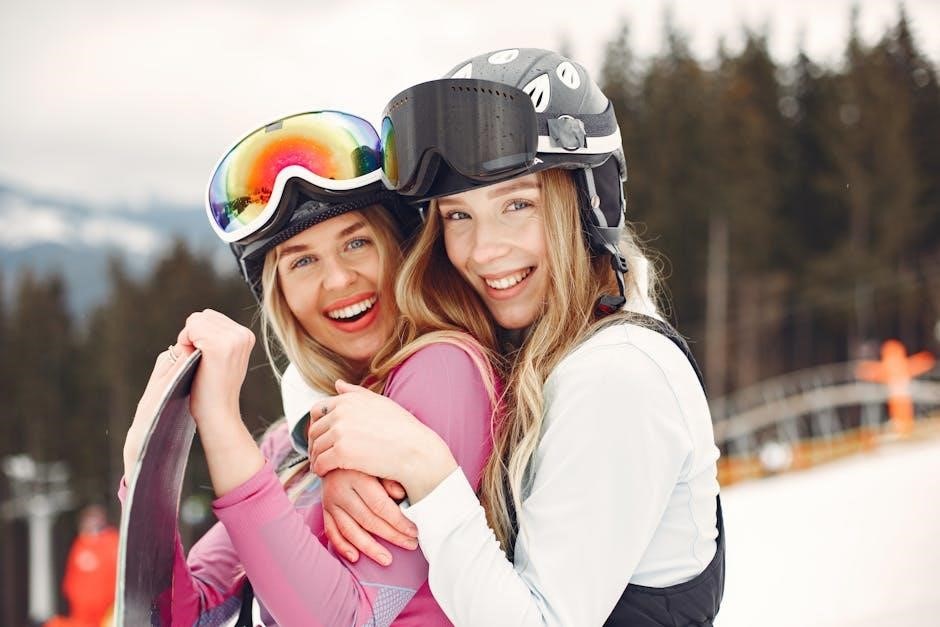
Green lenses are renowned for their exceptional versatility, performing admirably in diverse conditions. They offer a balanced colour perception, maintaining natural colour fidelity while enhancing contrast. This makes them suitable for various light levels and terrain features.
Green lenses excel in both sunny and cloudy conditions, providing clear vision without significant distortion. They are a solid choice for skiers who prefer a natural viewing experience and don’t want to switch lenses frequently, offering a practical all-around solution.
Mirror Coatings and Their Impact
Mirror coatings on ski goggle lenses aren’t just about aesthetics; they significantly impact performance. These coatings reflect more light, reducing glare and eye strain, particularly in bright, sunny conditions. They also enhance contrast, improving visibility on the slopes.
Different mirror colours offer varying levels of reflectivity and visual effects. While they don’t alter the VLT of the base lens colour, they provide an extra layer of protection and style. Mirroring is a popular choice for skiers seeking both functionality and a fashionable look.
Photochromic Lenses
Photochromic lenses represent a convenient all-in-one solution for varying light conditions on the mountain. These lenses automatically adjust their tint based on the intensity of UV light, darkening in bright sunlight and becoming clearer in low light or overcast weather.
This adaptive technology eliminates the need to swap lenses, offering seamless vision throughout the day. While a fantastic option, photochromic lenses may react slightly slower than manual lens changes, and their adaptation range isn’t infinite, making them best suited for moderately changing conditions.
How Photochromic Lenses Adapt
Photochromic lenses utilize molecules of silver halide embedded within the lens material. When exposed to ultraviolet (UV) radiation from sunlight, these molecules undergo a chemical process causing them to darken. The greater the UV intensity, the more molecules react, resulting in a darker tint.
Conversely, when UV light diminishes, the molecules revert to their original state, allowing more light to pass through. This transition isn’t instantaneous; it takes time for the lenses to fully adapt to changing light levels, offering a dynamic visual experience.
Advantages of Photochromic Technology
Photochromic lenses offer unparalleled convenience, eliminating the need to carry and swap multiple lenses for varying conditions. This is particularly beneficial for skiers encountering shifting weather patterns throughout the day, from bright sunshine to overcast skies.
They provide optimal vision across a broad spectrum of light, enhancing both safety and comfort. Furthermore, these lenses reduce eye strain by automatically adjusting to the appropriate tint, offering a seamless and adaptable skiing experience without interruption.
Lens Materials and Colour
Lens material significantly impacts both durability and optical clarity, with polycarbonate being the most common choice due to its impact resistance and lightweight properties. However, Trivex offers superior clarity and is even lighter, though generally more expensive.
The colour of the lens, as discussed previously, is determined by the dyes added to the lens material. These dyes affect Visible Light Transmission (VLT) and contrast enhancement. Material quality influences how effectively the colour performs, impacting overall visual experience on the mountain.
Choosing Lenses Based on Skill Level
Beginner skiers often benefit from versatile lens colours like rose or amber, offering good contrast in varying conditions. These tints enhance terrain recognition, crucial for developing skills.
Intermediate skiers might prefer grey lenses for bright, sunny days, reducing glare and eye strain. Advanced skiers, frequently tackling diverse terrain and conditions, often opt for interchangeable lenses – a clear lens for low-light, and a darker tint for sun. Skill level dictates the need for specialized visual support.
Interchangeable Lenses: A Practical Solution
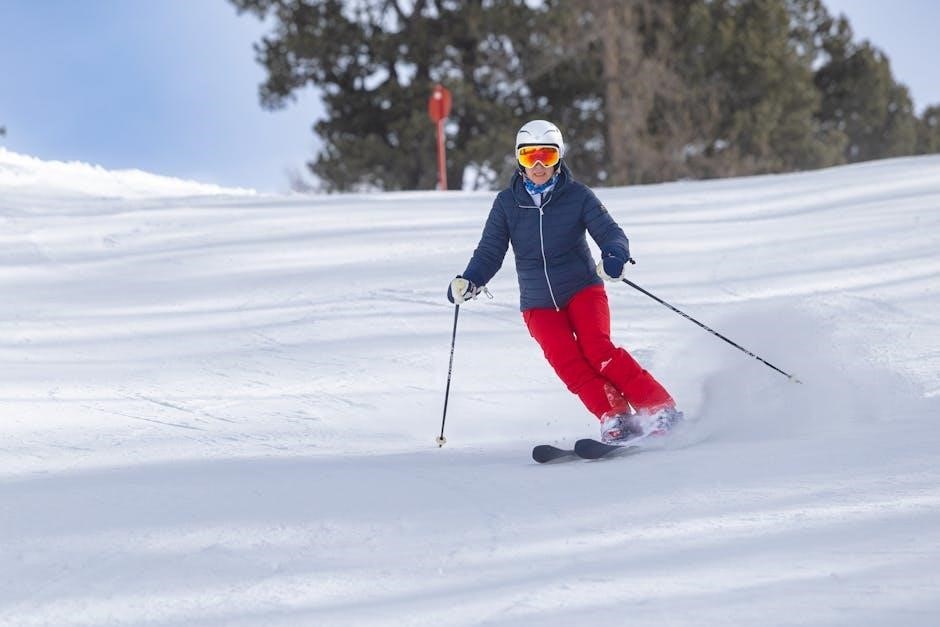
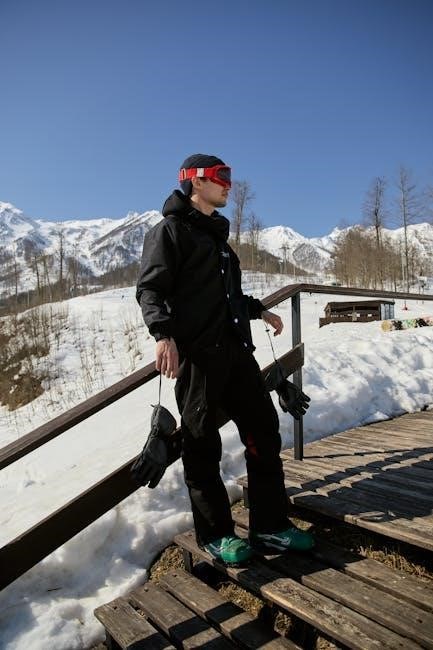
Interchangeable lenses provide skiers and snowboarders with ultimate adaptability. A single goggle frame can accommodate multiple lenses, catering to diverse weather conditions.
This system eliminates the need for multiple goggles, saving cost and space. Commonly, sets include a low-light lens (yellow/amber) and a brighter-light lens (grey/rose). Quick lens changes are possible on the mountain, ensuring optimal vision. This is especially valuable for variable conditions, offering a practical and efficient solution for all levels.
Lens Care and Maintenance
Proper lens care significantly extends the life and performance of your ski goggles. Avoid harsh cleaning agents, as they can damage the lens coatings.
Use a microfiber cloth to gently wipe away snow, dirt, and fingerprints. Store goggles in a protective bag when not in use, preventing scratches. Regularly inspect for damage and replace scratched lenses for optimal clarity. Avoid leaving goggles in direct sunlight, which can degrade materials. Consistent care ensures clear vision and lasting value.
Where to Buy Ski Goggles
Ski goggles are widely available from various retailers, both online and in physical stores. Major sporting goods chains like REI and Dick’s Sporting Goods offer a broad selection.
Specialty ski shops provide expert advice and fitting services. Online retailers such as Amazon and Backcountry.com offer convenience and competitive pricing. Consider local ski resorts’ pro shops for curated options. Comparing prices and reading reviews is crucial before purchasing. Ensure the retailer has a good return policy for optimal satisfaction.
Latest Trends in Ski Goggle Lens Colours (as of 03/26/2026)
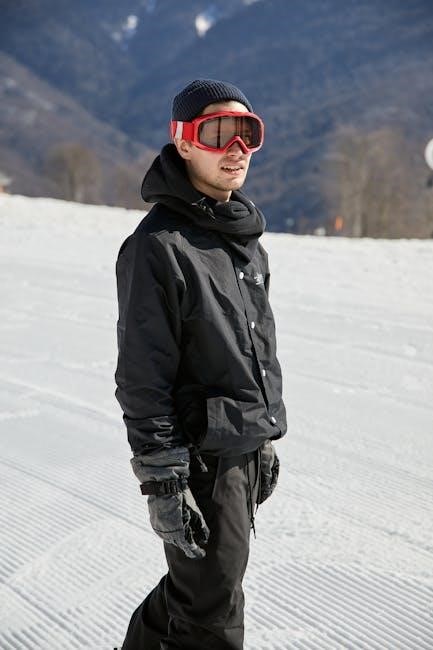
As of March 26, 2026, a significant trend is the rise of adaptable lens technology. Photochromic lenses continue gaining popularity, offering versatility for changing light conditions.
Mirror coatings remain fashionable, with unique colour shifts becoming increasingly sought after. Rose and amber lenses are favoured for enhanced contrast. Manufacturers are focusing on wider fields of view and improved anti-fog coatings. Expect to see more goggles with interchangeable lenses for customized performance. Sustainability is also influencing choices, with eco-friendly materials gaining traction.